Ragnarok Online’s Card System Explained: Slots, Hunts and Builds
No system defines Ragnarok Online's character building like cards. Monsters drop them at fractions of a percent, each one slots into a specific equipment type, and the right combination turns an ordinary character into something opponents remember. Understanding cards early saves you from the most expensive mistakes the game offers.
How cards work
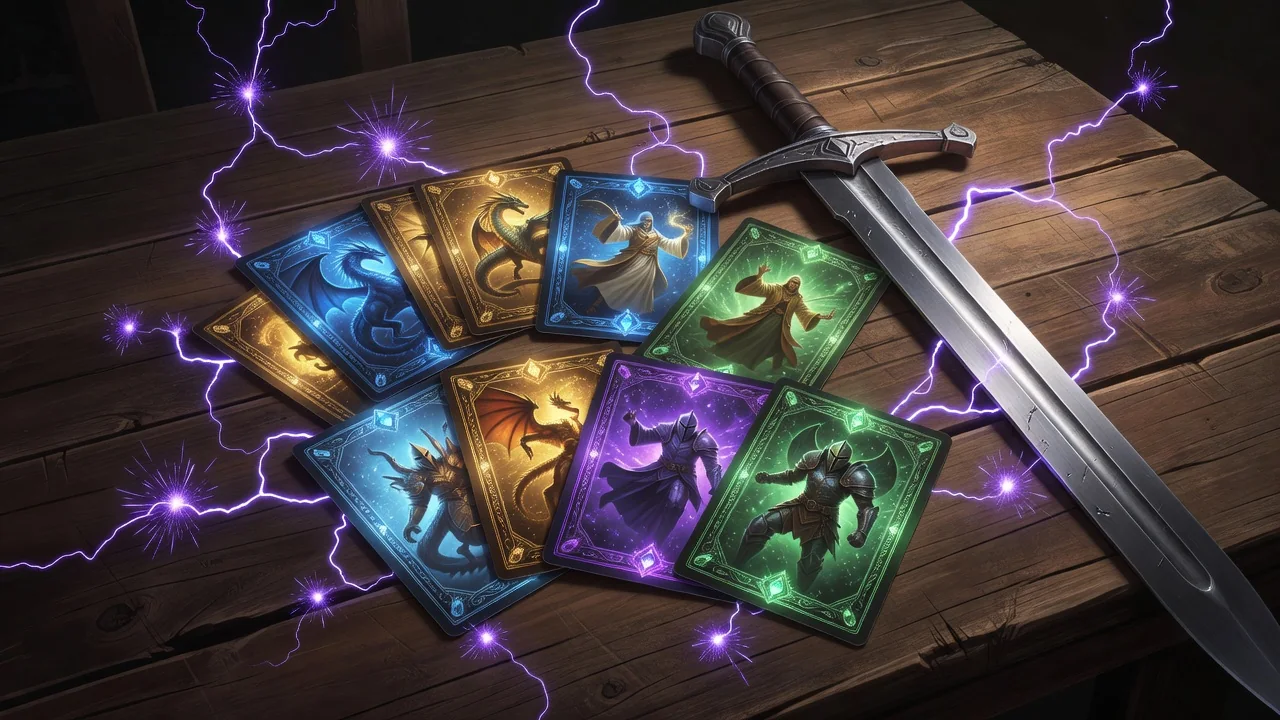
A card is a permanent modifier that inserts into a slot on a weapon, armor, garment, footgear, shield or accessory. Once inserted, it stays: removal services exist on some servers, but at a cost that discourages experiments. The rule every veteran repeats to newcomers is simple — never slot a card into equipment you plan to replace next week.
Weapon cards typically add damage against races, elements or sizes. Armor cards grant resistances or stat bonuses. The famous combos pair complementary cards, like race-specific damage cards alongside size-specific ones, multiplying each other in the damage formula.
The hunt: where cards come from
Every card drops from its namesake monster, usually at a rate between one in a thousand and one in ten thousand kills. That scarcity is deliberate: cards are the long-term chase that keeps veteran players farming. On many servers the drop rate is modified, so check your server's database before planning a hunt.
Card albums, event rewards and the market offer alternatives to raw farming. For most players, buying a mid-price card from vending stalls beats a hundred hours of hunting the monster directly.
- Farm the card only if the monster sits on your leveling route anyway.
- Compare the card's market price against your hourly farm yield first.
- Sell duplicate drops immediately; card prices erode as supply grows.
| Slot | Typical card effects | Beginner picks |
|---|---|---|
| Weapon | Damage vs race, element or size; status effects | Race damage cards for your leveling map |
| Armor | Elemental resistance, HP bonus, stat boosts | HP cards for survivability |
| Shield | Reduction vs race or element | Reduction cards for dungeon mobs |
| Garment | Flee, resistance, neutral damage cut | Flee cards for dodge builds |
| Accessory | Utility: casting, SP, niche bonuses | Stat cards matching your build |
Building around your cards
The mature approach inverts the beginner's logic: instead of slotting cards into your current gear, collect cards first and buy the slotted equipment to match. A four-slot weapon with the right card set is the backbone of most endgame builds, and prices for clean slotted weapons stay rational compared to the cards themselves.
Keep a spreadsheet or use a community build planner. With hundreds of cards in the database, memory alone stops being reliable somewhere around your second character.