Ragnarok Online in 2026: Why the Classic MMORPG Still Endures
In an industry that retires online games by the hundred, Ragnarok Online has now outlived most of the hardware it launched on. Gravity's MMORPG turned twenty-three in 2025, and in 2026 it is not a museum piece: official servers still patch, mobile spin-offs carry the brand to new audiences, and community servers keep entire regional scenes alive. The question worth asking is not whether the game survives, but why.
A design that aged differently
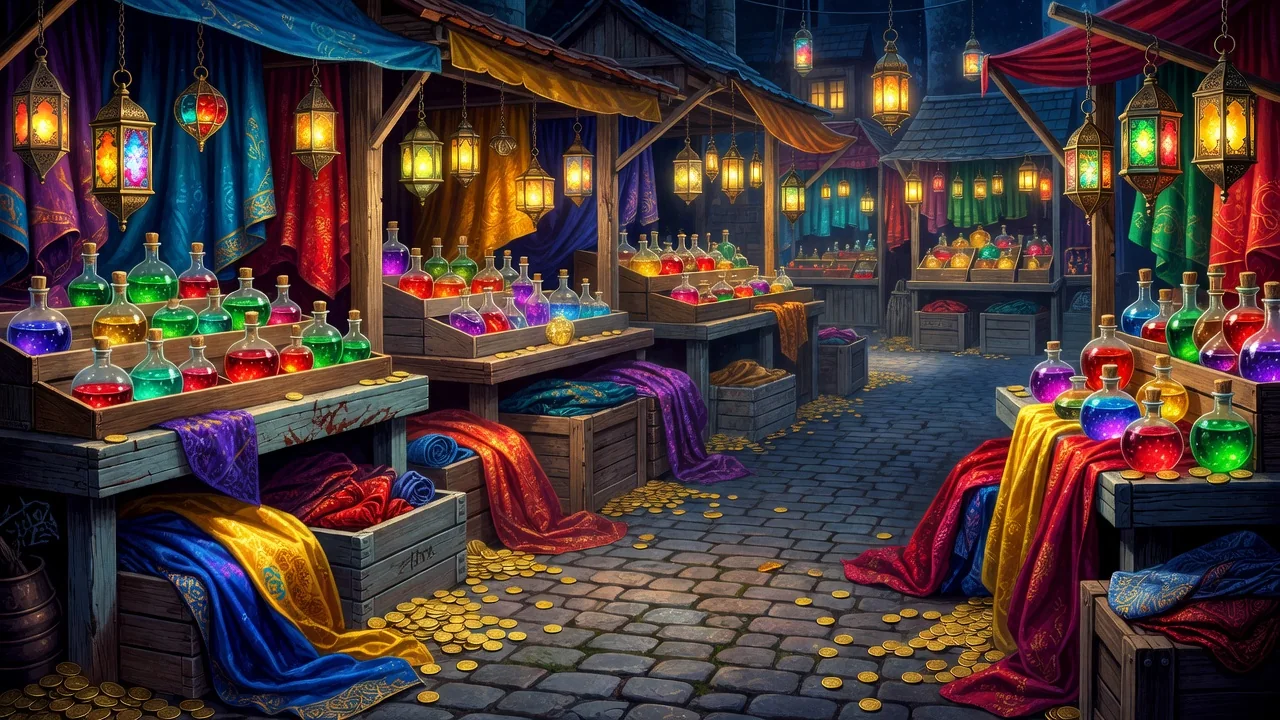
Ragnarok was built on systems that modern MMORPGs largely abandoned: an open player economy with player-run shops, class interdependence that makes strangers valuable to each other, and scheduled guild warfare that gives communities a shared calendar. None of it can be automated or instanced away without breaking the whole.
The card system deserves special mention. A one-in-a-thousand drop that permanently modifies equipment created a chase that never truly ends — and a market around that chase that still clears millions of zeny in player trades every week on active servers.
The ecosystem in 2026
| Branch | Who runs it | Who it serves |
|---|---|---|
| kRO (Korea, original) | Gravity | The home market, first in line for episodes |
| International (iRO) | WarpPortal | North America and global English players |
| Classic and renewal rulesets | Official regional services | Pre-renewal veterans and modern-system players |
| Ragnarok M: Eternal Love, Ragnarok Origin | Gravity with mobile partners | The mobile-first generation |
| Community servers | Independent teams | Regional scenes and custom-rule players |
Official service continues through Gravity in Korea and WarpPortal internationally, with classic and renewal rulesets serving different generations of players. The mobile branch — Ragnarok M: Eternal Love and Ragnarok Origin — introduces the world of Rune Midgarts to players who will never touch a desktop client, and a measurable share of them eventually migrates to the PC original.
Around the officials sits the community server scene, the same culture that produced forums and fan networks like the one this site grows from. Rates, episodes and house rules vary wildly, but the healthiest servers share traits: active staff, transparent rules and a WoE schedule that guilds can plan around.
- Official servers — permanence, first access to episodes and legal clarity.
- Mobile spin-offs — the brand's growth engine and a bridge back to PC.
- Community servers — classic rates, custom content and regional scenes.
Why players return
Ask returners what pulled them back and the answers converge: the friends list. Ragnarok's design forces cooperation — parties level faster, merchants need buyers, sieges need sixty people online at once — and cooperation becomes friendship faster than in games where matchmaking replaces conversation.
The lesson for the wider genre is uncomfortable but clear. Content gets consumed and forgotten; systems that make players need each other do not expire. That is why, in 2026, the porings of Prontera fields still have company.