Ragnarok’s Server Economy Explained: Prices, Inflation and Trading
Ragnarok Online never needed an auction house to build one of gaming's most studied economies. Player vending stalls, direct trades and a zeny supply tied to grinding created a market so real that economists have written papers about it. Understanding that economy — what moves prices, what destroys them, where you fit — is worth more levels than any dungeon.
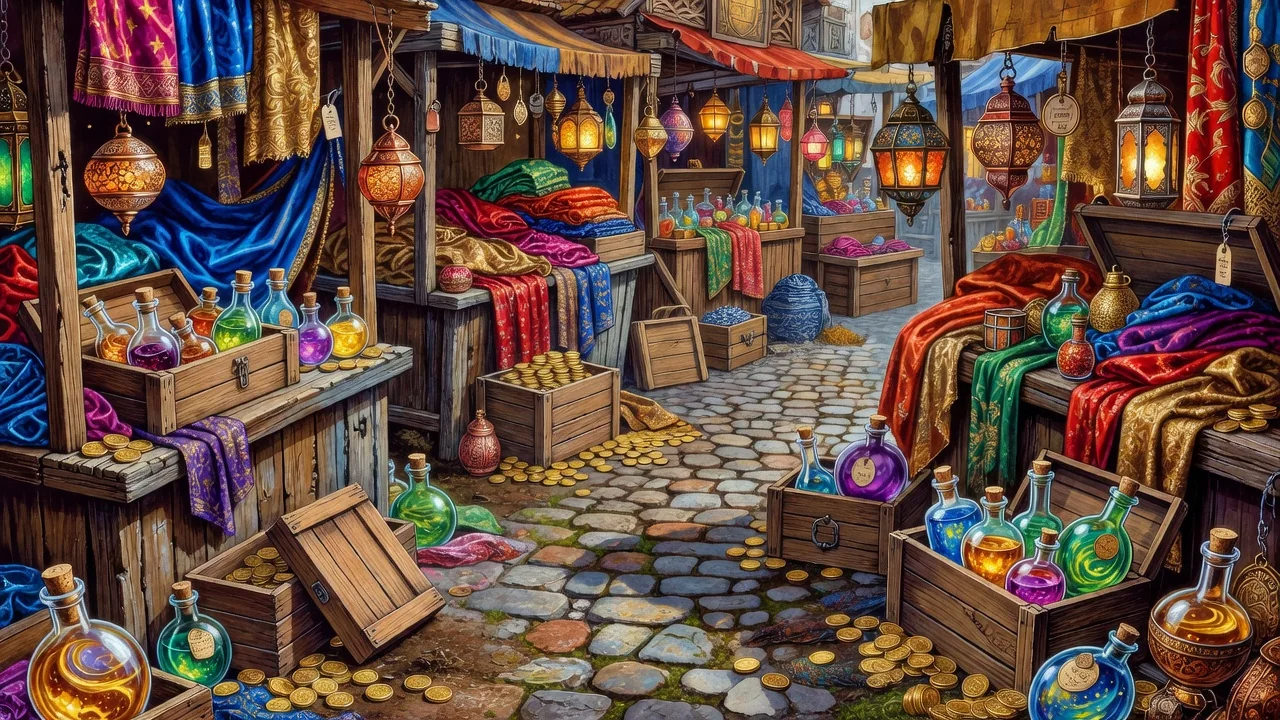
The core loop is simple: monsters drop items, NPCs convert items to zeny at fixed prices, and players trade everything else at prices set purely by supply and demand. That third leg is where fortunes live. NPC prices are a floor; player prices are weather.
What actually moves prices
Player count is the master variable. A young server with thousands of fresh characters pays a fortune for basic upgrade materials and mid-tier cards; a mature server pays only for endgame consumables and rare drops. Episode launches reset the board entirely — new content creates new demand overnight, and the players who stockpiled the right materials fund their next year in a week.
Events and schedules create rhythm. Experience weekends drain potion stocks, War of Emperium nights spike consumable prices by afternoon, and holiday events flood the market with items that crash — then recover months later when the supply is forgotten. Traders live on that calendar.
- Consumables — potions, converters, ammo; steady demand, thin margins, fast turnover.
- Crafting materials — ores, stems, trunks; spike with episodes and forging waves.
- Cards and rare drops — the speculative end of the market; huge wins, slow sales.
- Refined equipment — capital goods; prices track the server's age and wealth.
Inflation, deflation and server age
Zeny enters the economy through NPC sales and leaves through NPC purchases and fees. When farming outpaces spending, inflation creeps in — prices rise, and yesterday's savings buy less. Mature servers fight this with zeny sinks: expensive NPC services, upgrade fees and event costs that delete currency. Knowing whether your server is inflating tells you whether to hold zeny or hold items.
| Server phase | What is expensive | What is cheap | Smart move |
|---|---|---|---|
| Launch month | Everything basic | Endgame items | Farm materials, sell immediately |
| Growth phase | Mid-tier gear, cards | Basic materials | Stockpile episode items |
| Mature | Endgame consumables, rares | Mid-tier gear | Trade, flip, corner niches |
| Post-episode | New-content materials | Last episode's items | Buy the panic, sell the rush |
Your place in the machine
Most players participate passively — farm, sell, buy, repeat — and that is fine. The upgrade is awareness: check the vending rows before choosing a farm target, sell into event demand instead of after it, and never dump rare items on a Saturday-night glut. Ten minutes of market reading routinely beats an hour of grinding.
The deepest truth of Ragnarok's economy is that it is social infrastructure wearing a market's clothes. Reputation moves prices, guild bulk deals bypass the stalls entirely, and the trader everyone trusts gets first look at every rare drop on the server. Learn the numbers, but invest in the relationships — that is where the real compound interest lives.